College athletes are no longer limited to brand deals with clothing labels or energy drinks. A new economy is forming inside games, esports platforms, and digital worlds. At the center of this shift is Virtual NIL, a model where an athlete’s name, image, and likeness are licensed for use inside games, streams, and digital assets. This form of monetization blends sports, technology, and personal branding in ways traditional endorsements never could.
Unlike physical sponsorships, digital partnerships scale instantly. A single in-game appearance or character skin can reach millions of players. This makes digital environments one of the most powerful channels for modern athlete income.
What “Virtual NIL” really means
Traditional NIL allows athletes to earn from appearances, ads, and social media. Virtual NIL expands this into interactive spaces. Athletes can now:
- Appear as playable characters in games.
- License their identity for esports teams or tournaments.
- Sell digital collectibles tied to verified ownership.
- Host in-game events or branded challenges.
- Take control of official game or publisher social channels for limited campaigns.
This moves athlete branding from passive viewing to direct participation. Fans are not just watching their favorite players; they are playing as them or alongside them.
Why gaming and esports are perfect platforms for NIL
Gaming already has what NIL needs: massive audiences, strong communities, and built-in monetization tools. Esports events attract viewers comparable to major sports broadcasts, and younger audiences often follow players inside games more closely than on television.
For athletes, this creates three advantages:
- Global reach: digital content has no location limits.
- Long-term value: digital assets can remain active long after a season ends.
- Creative control: athletes help shape how their identity appears in virtual spaces.
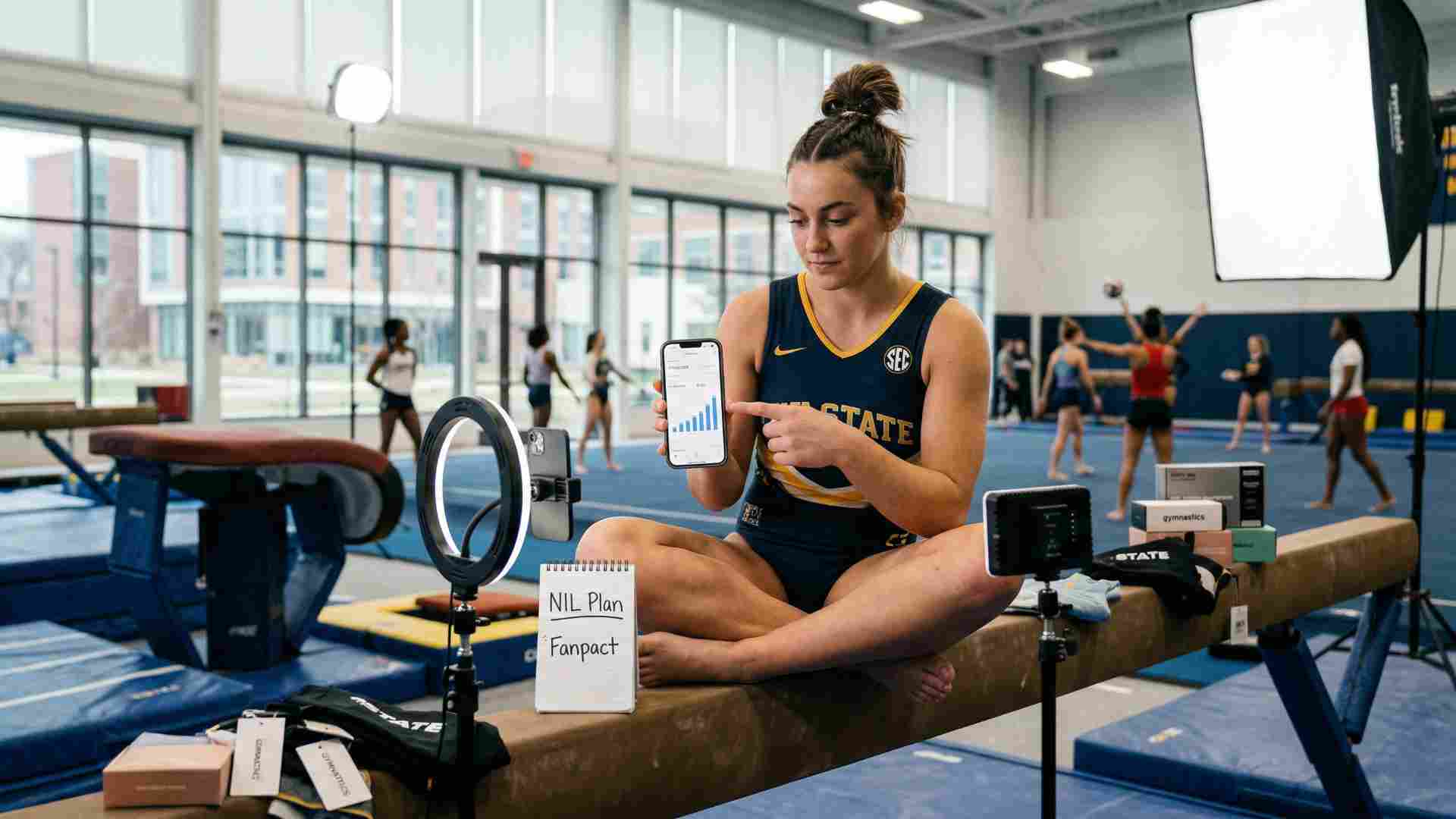
Platforms such as FanPact have helped simplify how athletes connect with brands and developers for structured NIL deals. FanPact focuses on compliance and transparent compensation, which reduces risk for students entering complex digital contracts.
Digital ownership and the role of NFTs
Virtual NIL depends heavily on digital ownership systems. Non-fungible tokens (NFTs) provide a way to prove authenticity and scarcity for digital items. An athlete-licensed character skin, collectible card, or highlight clip can be issued as a unique asset owned by a fan.
This matters because:
- Ownership can be verified on public blockchains.
- Royalties can be programmed into resale transactions.
- Counterfeiting becomes harder.
- Value is tied directly to athlete reputation and performance.
In gaming, NFTs allow players to carry assets across compatible platforms, creating continuity for athlete branding.
2026: the projected peak year for digital NIL
Industry analysts expect 2026 to be a turning point for digital athlete licensing. Several factors drive this timing.
1. EA Sports College Football 26 payouts
The return of college football games has already changed NIL economics. By 2026, EA Sports College Football 26 is expected to distribute some of the largest group licensing payments in college sports history. Thousands of athletes will be compensated for digital use of their likeness.
Unlike past deals, these payouts are structured for annual renewal, meaning athletes can build predictable income streams tied to performance and visibility.
2. Social media takeovers by athletes
Game publishers and esports brands increasingly allow athletes to run official accounts for limited periods. These “takeovers” include:
- Live gameplay sessions.
- Behind-the-scenes training content.
- Fan Q&A streams.
- Launch events for new titles.
Such campaigns generate engagement while reinforcing the athlete’s digital identity. By 2026, these takeovers are expected to be standard features in major game releases.
3. Brand confidence in digital licensing
Brands are moving budgets from physical advertising to interactive media. Virtual NIL provides measurable engagement data, including session time, repeat interaction, and conversion tracking inside games.
FanPact Platform is also improving contract templates and compliance checks, making it easier for brands to scale athlete partnerships without regulatory risk.
Legal and Ethical Boundaries
Virtual NIL still follows core NIL rules:
- Athletes must retain control of their identity.
- Universities cannot directly broker deals in restricted ways.
- Contracts must define usage limits and duration.
- Compensation must reflect fair market value.
Esports adds complexity because digital likeness can persist indefinitely if not clearly restricted. Legal experts now recommend expiration clauses and geographic limitations for virtual appearances.
What this means for athletes
Athletes entering college programs are beginning to view digital branding as a career asset, not a side income. Skills such as content creation, streaming etiquette, and community management now influence recruiting and sponsorship potential.
Those who understand Virtual NIL early gain:
- Portfolio value before turning professional
- Negotiation leverage with game publishers
- Broader audience reach beyond traditional sports fans
What this means for fans
Fans benefit from closer interaction, personalized content, and collectible ownership. Instead of watching highlights, supporters can play through them, trade licensed items, or join exclusive in-game events hosted by athletes.
The financial scale behind EA Sports College Football 26
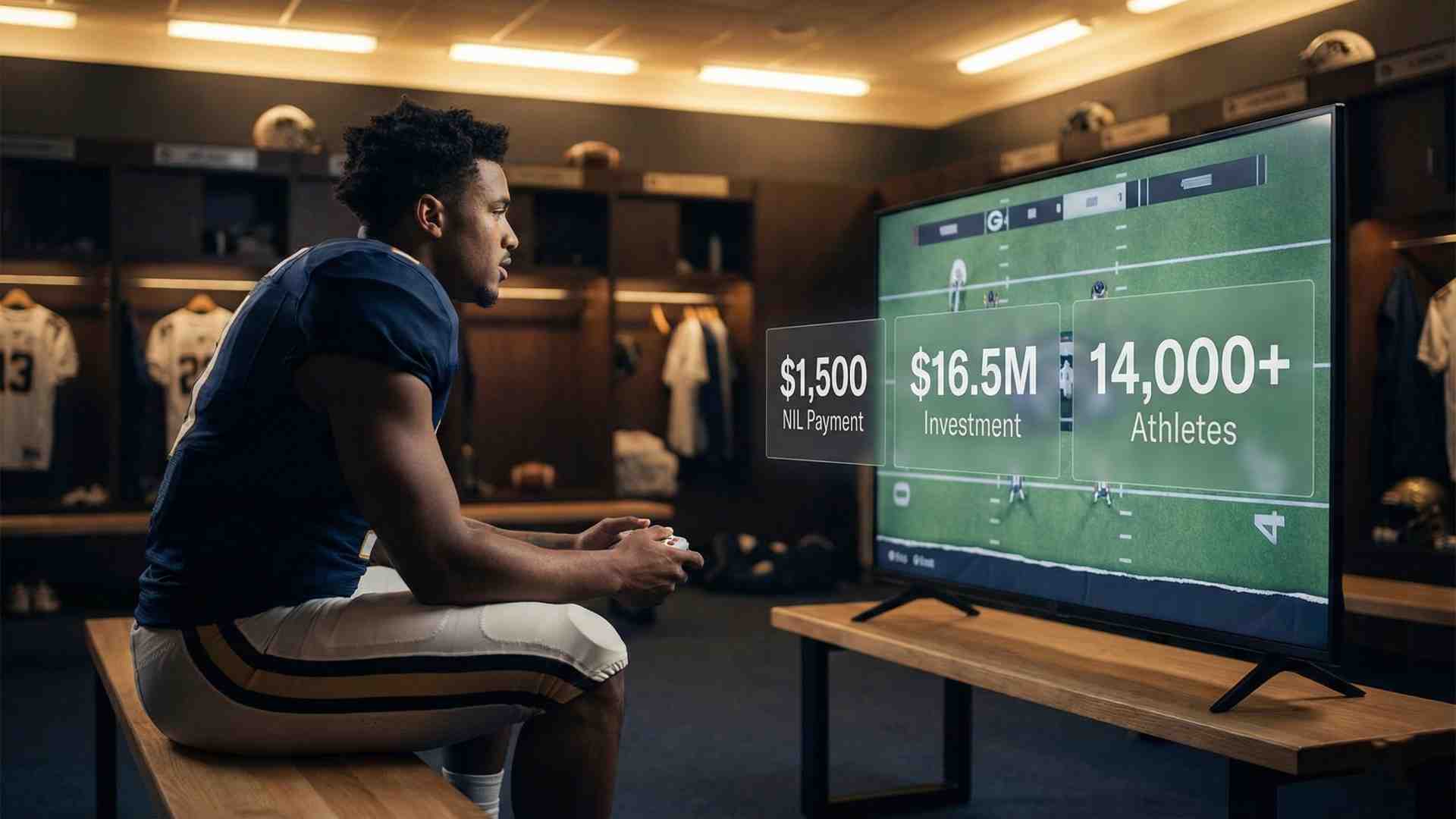
Athletes who opt into EA Sports College Football 26 receive a $1,500 base NIL payment plus a Deluxe Edition game copy valued at about $100, up from $600 in College Football 25. With more than 14,000 FBS athletes participating, direct player NIL payments exceed $16.5 million, forming the foundation of a total NIL investment that surpasses $16.5 million before accounting for school licensing fees and additional marketing deals.
Some athletes may earn up to $3,000 by signing separate agreements with third-party groups offering similar compensation, while high-profile players receive extra pay through brand ambassador roles. Players do not receive sales royalties, but schools earn separate licensing payments, further expanding the economic scale of Virtual NIL.
Also read: The Importance of NIL Education for NCAA Compliance
Conclusion
Virtual NIL is driving a structural shift in how the market values athletic identity. It combines legal rights, gaming ecosystems, and digital ownership into a unified economic layer. EA Sports College Football 26 has set new benchmarks, and athletes now lead routine social media takeovers that accelerate mainstream adoption. In 2026, this model moves firmly into the spotlight. Athletes build lasting income channels, brands secure immersive visibility, and fans deepen their connection beyond the stadium.
FAQs
1. What is Virtual NIL?
It allows athletes to license their identity for use inside games, esports, and digital assets.
2. How do athletes earn from gaming partnerships?
Through licensing fees, revenue sharing, digital collectibles, and sponsored in-game events.
3. Why is 2026 important for digital NIL?
Major game releases and structured payouts will expand athlete participation at scale.
4. Are NFTs required for Virtual NIL?
No, but they help verify ownership and enable royalties for digital items.
5. Is Virtual NIL legal for college athletes?
Yes, when contracts follow NIL regulations and institutional guidelines.