When NIL first reshaped college athletics, football and basketball stars secured a staggering 67% of all compensation. While seventeen of the top twenty 2025 NIL valuations belong to football players, a new era of NIL for non-revenue sports is emerging. Athletes in gymnastics, volleyball, and track are proving that you do not need a primetime kickoff to build a commercial empire. Through social media and Olympic profiles, these student-athletes are turning overlooked sports into lucrative platforms for long-term career success.
The Statistical Reality of the Modern Market
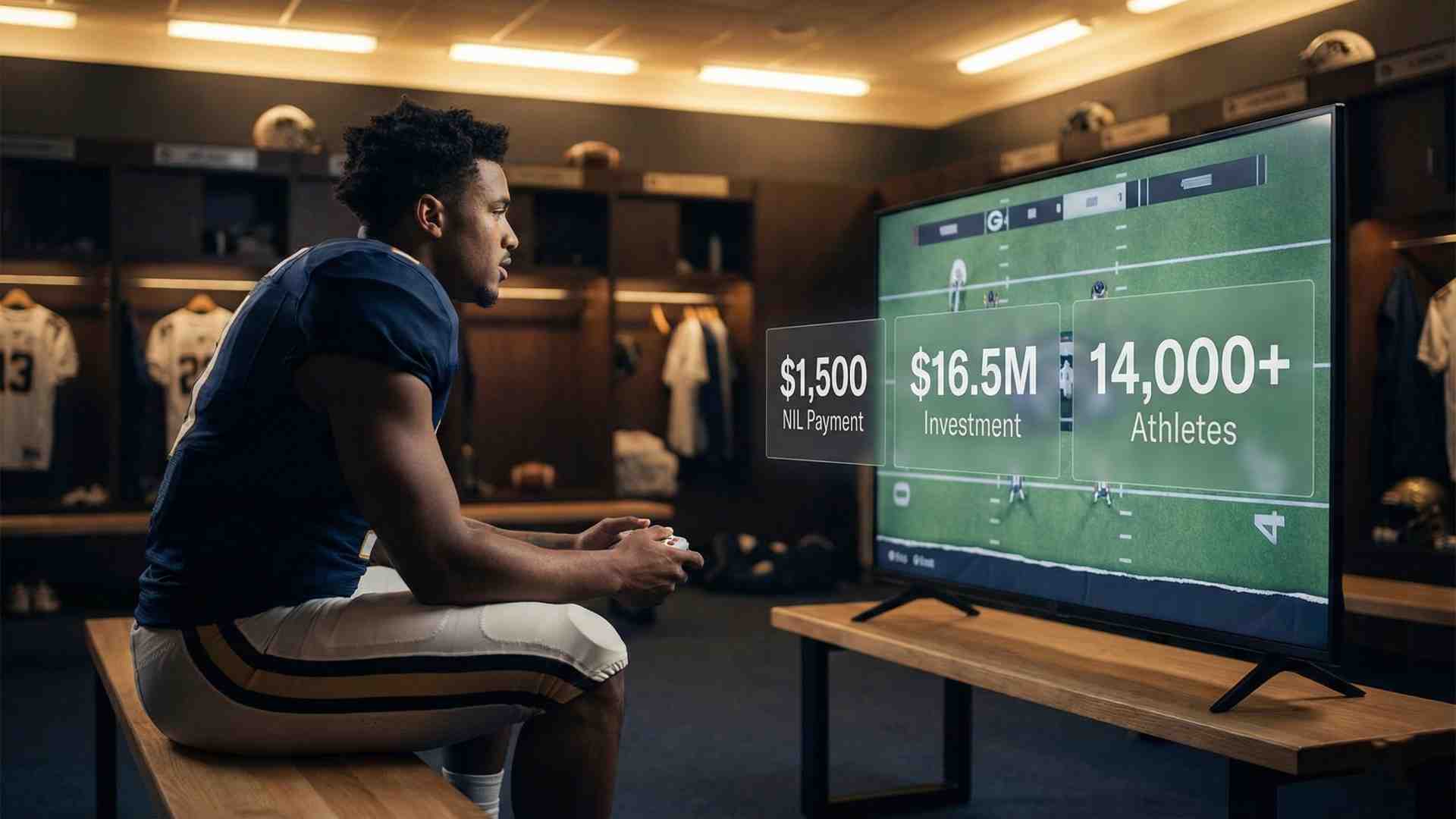
The current financial landscape of college athletics still heavily favors the gridiron. With seventeen football players and two basketball players dominating the elite valuation list, the concentration of wealth is undeniable. Only one gymnast currently breaks into that top tier, which stems from massive television contracts and alumni donations directed toward traditional revenue-generating programs. Yet, focusing only on the top twenty provides an incomplete picture of the overall market.
Underneath the headline-grabbing multi-million dollar deals, a massive middle class of athletes is forming. These individuals are not waiting for a national broadcast to validate their worth. Instead, they leverage the democratization of media to reach fans directly through personal storytelling. For a swimmer or a soccer player, a well-managed digital account can generate more engagement than a highlight reel on a sports network. This shift is fundamental to the rise of NIL for non-revenue sports, where the athlete becomes their own media outlet.
The Power of Niche Brand Alignment
While a quarterback’s value is often tied to team performance, athletes in overlooked sports win through niche brand alignment. Companies realize that a specialized audience is often more engaged than a general one. For instance, a distance runner with 50,000 dedicated followers may offer more ROI for a specialized nutrition brand than a backup linebacker with 200,000 passive followers. Brands are looking for high-quality interactions rather than just broad visibility.
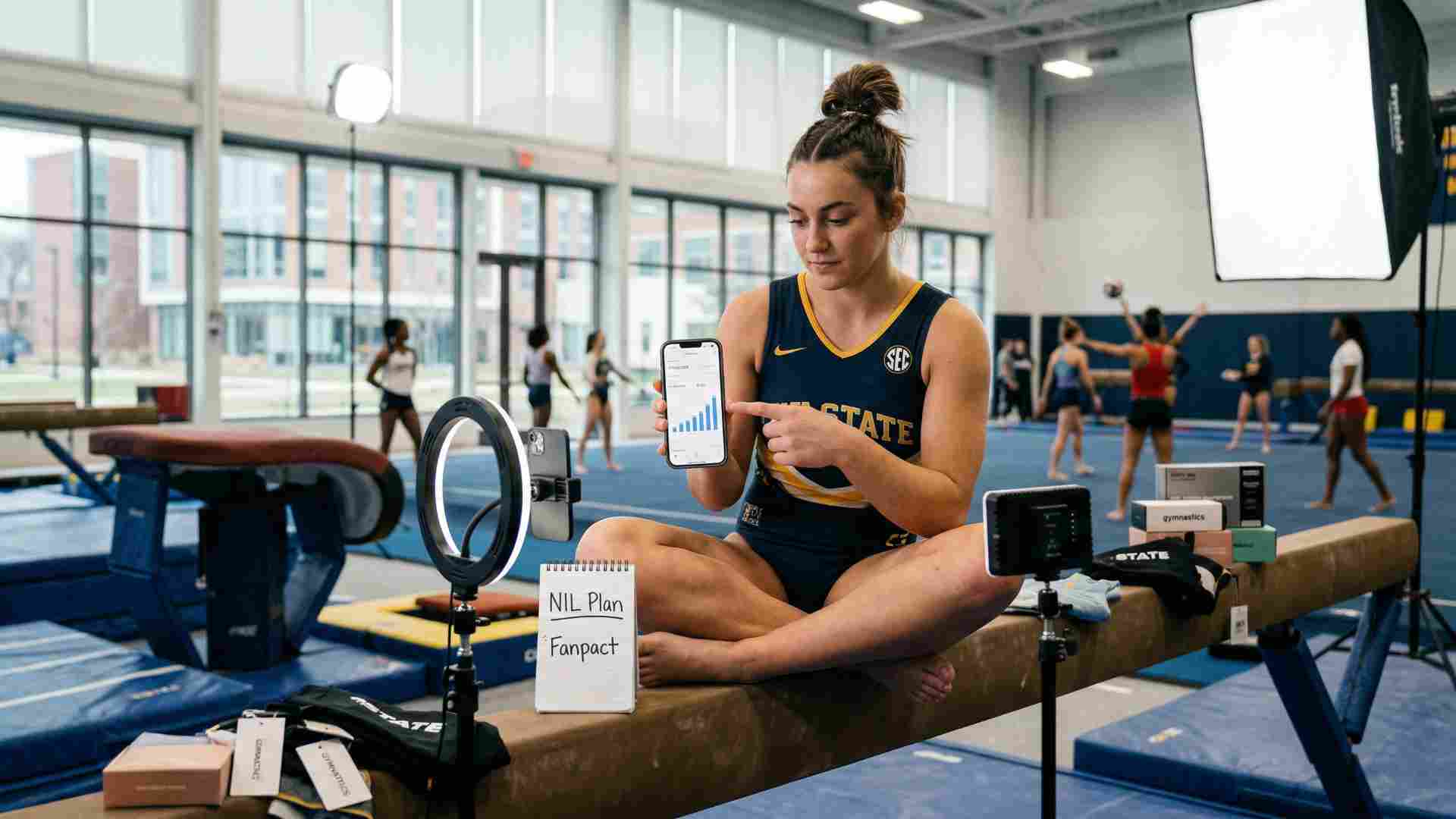
The real opportunity for brands and content creators is that these athletes are far more accessible. They often have tightly engaged, sport-specific fanbases that convert better than a broad football audience. Platforms like FanPact help bridge this gap by connecting these focused athletes with brands that value authenticity over raw stadium size. This allows a softball player or a tennis star to find partners that fit their specific lifestyle.
Social Media: The Great Equalizer
Digital storytelling allows athletes in quiet sports to become loud influencers with global reach. Gymnasts like Olivia Dunne showed that personality often outweighs the jersey. They transformed their athletic status into a launchpad for lifestyle branding and fashion partnerships. This strategy is a core component of NIL for non-revenue sports success, as it allows the athlete to remain relevant regardless of the season.
Digital platforms allow athletes to showcase their lives beyond the field of play. Fans are interested in the daily life of a collegiate athlete, the academic struggles, and the personality behind the uniform. This transparency builds a loyal following that transcends the win-loss record of the team. For athletes in sports that are typically only televised once or twice a year, this digital presence ensures they remain relevant to sponsors year-round.
The Olympic Influence and Global Reach
An Olympic profile can turn a collegiate athlete into a national household name in a matter of days. We see this frequently in swimming, track and field, and gymnastics. A student-athlete who competes on the world stage brings prestige that few football players can match on an international scale. Brands like Red Bull and specialized tech firms no longer just look at the scoreboard. Instead, they look at engagement rates and the ability of an athlete to speak to a Gen Z demographic.
The Olympic cycle provides a massive surge in marketability for those involved in NIL for non-revenue sports. A swimmer who wins gold becomes a target for luxury brands and health-conscious food chains. By utilizing FanPact, these athletes manage their professional identity and maximize their market value. This platform helps them navigate the complexities of their profile while maintaining compliance with collegiate regulations.
Also read: The Rise of Virtual NIL: Gaming, Esports, and Digital Ownership
Conclusion
The evolution of NIL is moving from a star system to a complete ecosystem. While football dominance remains a statistical reality, the most inspiring growth happens in the gyms, on the tracks, and in the pools. As brands look for authentic ways to connect with audiences, the athletes who master niche engagement will build the most sustainable empires. The growth of NIL for non-revenue sports ensures that every athlete, regardless of their jersey, has the chance to become a savvy entrepreneur.
FAQs
Which sports outside of football earn the most NIL money?
Gymnastics, volleyball, and track and field currently lead in NIL earnings for non-revenue sports.
How do athletes in overlooked sports attract brand deals?
They focus on social media engagement, unique personal storytelling, and niche brand alignment.
Does Olympic participation affect an athlete’s NIL valuation?
Yes, competing in the Olympics provides a massive boost in global visibility and prestige.
Can small local businesses participate in NIL deals?
Absolutely, many athletes find great success partnering with local businesses for community marketing.
What is the biggest challenge for non-revenue athletes?
The main challenge is the lack of national television exposure compared to major football programs.