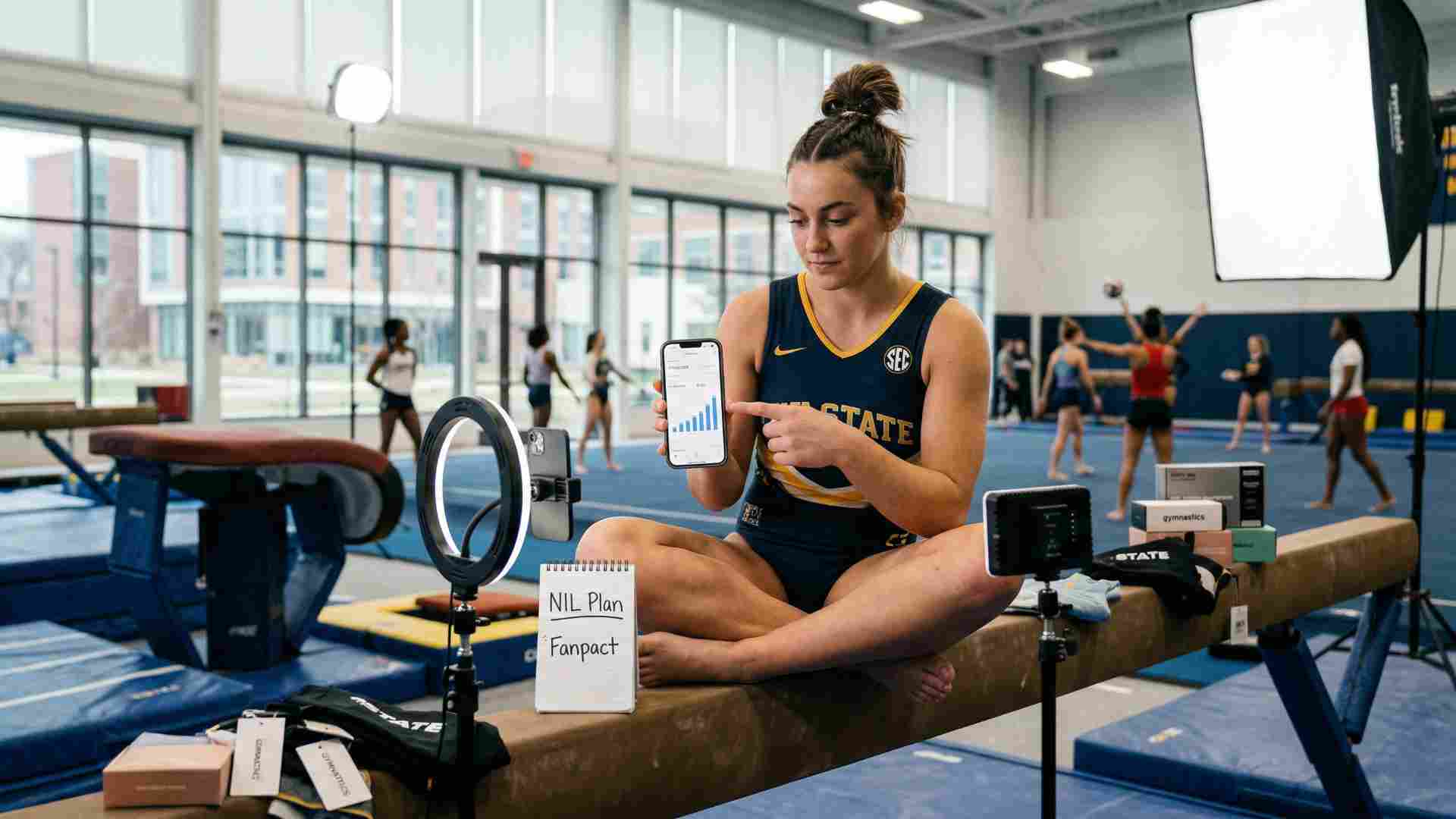
Every morning, while most people are still asleep, thousands of individuals begin a journey that tests the limits of physical and mental endurance. Student-athlete life is often romanticized in movies and on social media, but the reality is a demanding, highly structured marathon that requires precision in every hour. It is a lifestyle built on the pillars of discipline, where the transition from a heavy squat rack to a lecture hall happens in a matter of minutes. Platforms like FanPact help bridge the gap between this rigorous dedication and the community support athletes need to thrive.
The Pre-Dawn Grind: 5:00 AM – 9:00 AM
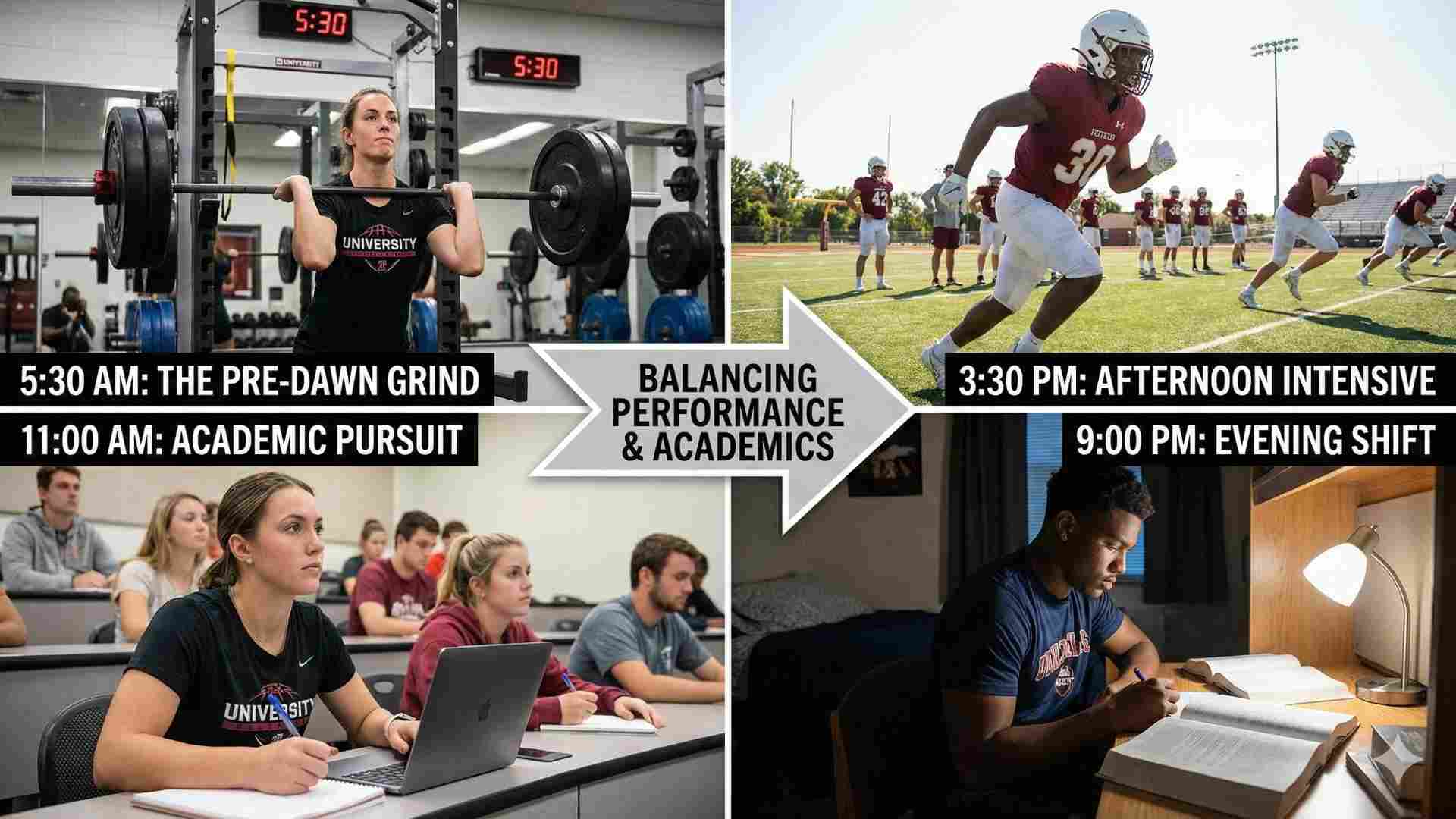
For a college athlete, the day does not start with a slow coffee; it starts with an alarm that feels like a call to battle. By 5:30 AM, most athletes are already in the weight room or on the field. These early hours are dedicated to strength and conditioning, film study, or tactical team meetings.
The focus here is entirely on physical preparation. This is when the foundation for a winning season is laid in the quiet, cold hours of the morning. Following a grueling workout, nutrition becomes the next priority. A high-protein breakfast isn’t just a meal; it’s fuel required to keep the body functioning through the upcoming academic requirements. There is little time to linger, as the shift from athlete to student happens rapidly.
The Academic Pursuit: 9:00 AM – 1:00 PM
By mid-morning, the focus shifts to the classroom. This part of the day requires a different kind of stamina. Despite the physical exhaustion from morning training, athletes must remain sharp for lectures, labs, and exams.
Maintaining a high GPA is not just a personal goal; it is often a requirement for eligibility. This period involves navigating campus, engaging in discussions, and staying on top of coursework. Successful athletes treat their studies with the same intensity as their sports. They sit at the front of the class, communicate proactively with professors about travel schedules, and utilize every small break between classes to check their assignments.
The Afternoon Intensive: 2:00 PM – 6:00 PM
As the afternoon arrives, the focus returns to the field, court, or track. This is typically the most intensive block of the day, consisting of full-team practices that can last three hours or more. It isn’t just about physical exertion; it’s about mental repetition, learning new plays, and refining technique.
After practice, the work continues in the training room. Rehabilitation and injury prevention are critical components of the routine. Whether it is an ice bath, a session with a physical therapist, or stretching routines, taking care of the body is a full-time job. This is also a time when many athletes look toward their future, using resources like FanPact to understand how their hard work and personal brand can create long-term opportunities beyond their playing years.
The Evening Shift: 7:00 PM – 10:00 PM
Evening is rarely a time for complete relaxation. While other students might be heading out for social events, the student-athlete is likely heading to “study hall” or the library. This is the window to finish research papers, prepare for the next day’s presentations, and catch up on any work missed due to travel.
Dinner is another strategic nutritional window, focused on recovery. Socializing, while limited, is crucial for mental health. Athletes often find their closest friends within their team, as they are the only ones who truly understand the sacrifice required. By 10:00 PM or 11:00 PM, the goal is sleep. Quality rest is the only way to ensure the body can repeat the entire process the following day.
The Discipline of the Journey
The defining characteristic of this lifestyle is time management. When a game requires a twelve-hour bus ride or a flight across the country, the “normal” schedule disappears. Athletes learn to study on planes, sleep in hotels, and perform under pressure in front of thousands of fans.
This journey builds a unique set of skills: resilience, leadership, and an incredible work ethic. While the schedule is grueling, the reward is the opportunity to compete at a high level while earning a degree. It is a path of constant growth, preparing individuals for success in any professional environment they choose to enter after graduation.
Also read: From Student to CEO: Essential Financial Literacy for the NIL Era
Conclusion
The student-athlete life is a testament to what humans can achieve when they commit to a clear vision. It is a cycle of sweat, study, and sacrifice that shapes leaders for the future. By balancing the rigors of elite competition with the demands of higher education, these individuals develop a level of discipline that lasts a lifetime. While the hours are long and the rest is short, the pride of representing a school and a community makes every early morning worth the effort.
FAQs
1. How many hours a week do student-athletes spend on sports?
Most athletes spend roughly 20 hours per week on official team activities, plus additional time for recovery and travel.
2. How do athletes manage their schoolwork during away games?
Athletes utilize travel time for studying and coordinate with professors to complete assignments or exams remotely.
3. What do student-athletes usually eat for peak performance?
They focus on a balanced diet of lean proteins, complex carbohydrates, and healthy fats to fuel workouts and aid recovery.
4. Is it hard to maintain a social life as a college athlete?
It is challenging, so athletes typically socialize within their team or during small windows of free time on weekends.
5. What is the most important skill for a student-athlete?
Effective time management is the most critical skill for successfully balancing academic and athletic requirements.