Collegiate sports have undergone a seismic shift. The ability to monetize Name, Image, and Likeness (NIL) has turned student-athletes into entrepreneurs, unlocking financial opportunities that were previously forbidden. However, this newfound freedom brings a heavy burden of responsibility. Without proper NIL education, athletes risk stepping onto a regulatory minefield that could cost them their eligibility, financial aid, or future career prospects. It is no longer enough to excel on the field; athletes must now master the business operations happening off the field.
The Regulatory Quilt: State Laws vs. NCAA Rules
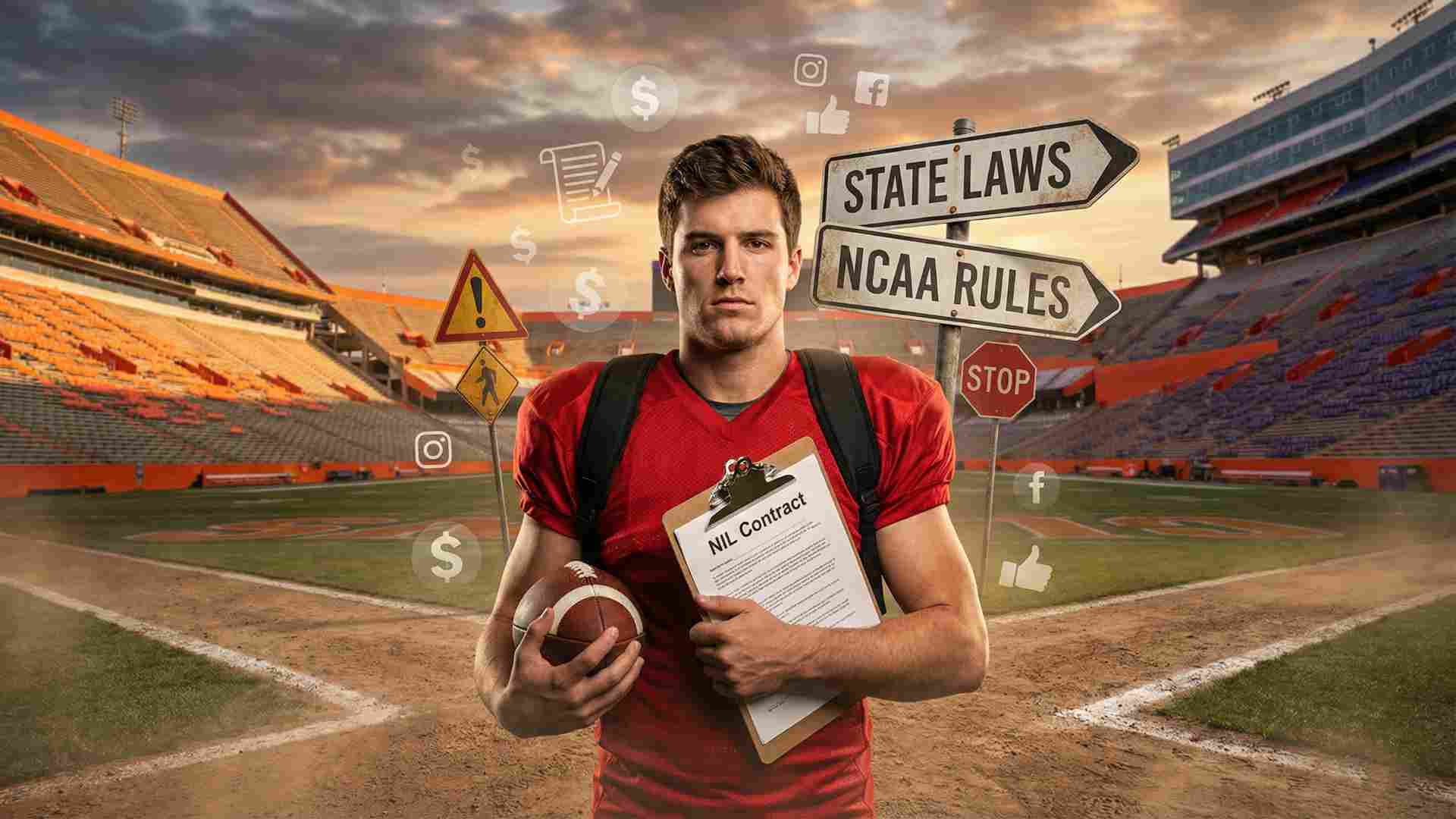
One of the most confusing aspects of the current environment is the lack of a single, unified standard. Instead of a clear national law, athletes face a patchwork of state legislations and NCAA interim policies. What is permissible for a quarterback in California might be strictly prohibited for a point guard in Texas.
For instance, some states allow high school athletes to enter NIL deals, while others explicitly ban it. Furthermore, the NCAA has specific guardrails against “pay-for-play” compensation contingent on athletic performance or enrollment at a specific school. A lack of NIL education here is dangerous. An athlete might unknowingly sign a deal that looks like a standard endorsement but legally constitutes a recruiting inducement. This can lead to immediate NCAA investigations and suspension. Understanding the hierarchy of these rules is the first step in protecting one’s career.
Contract Catches: Reading the Fine Print
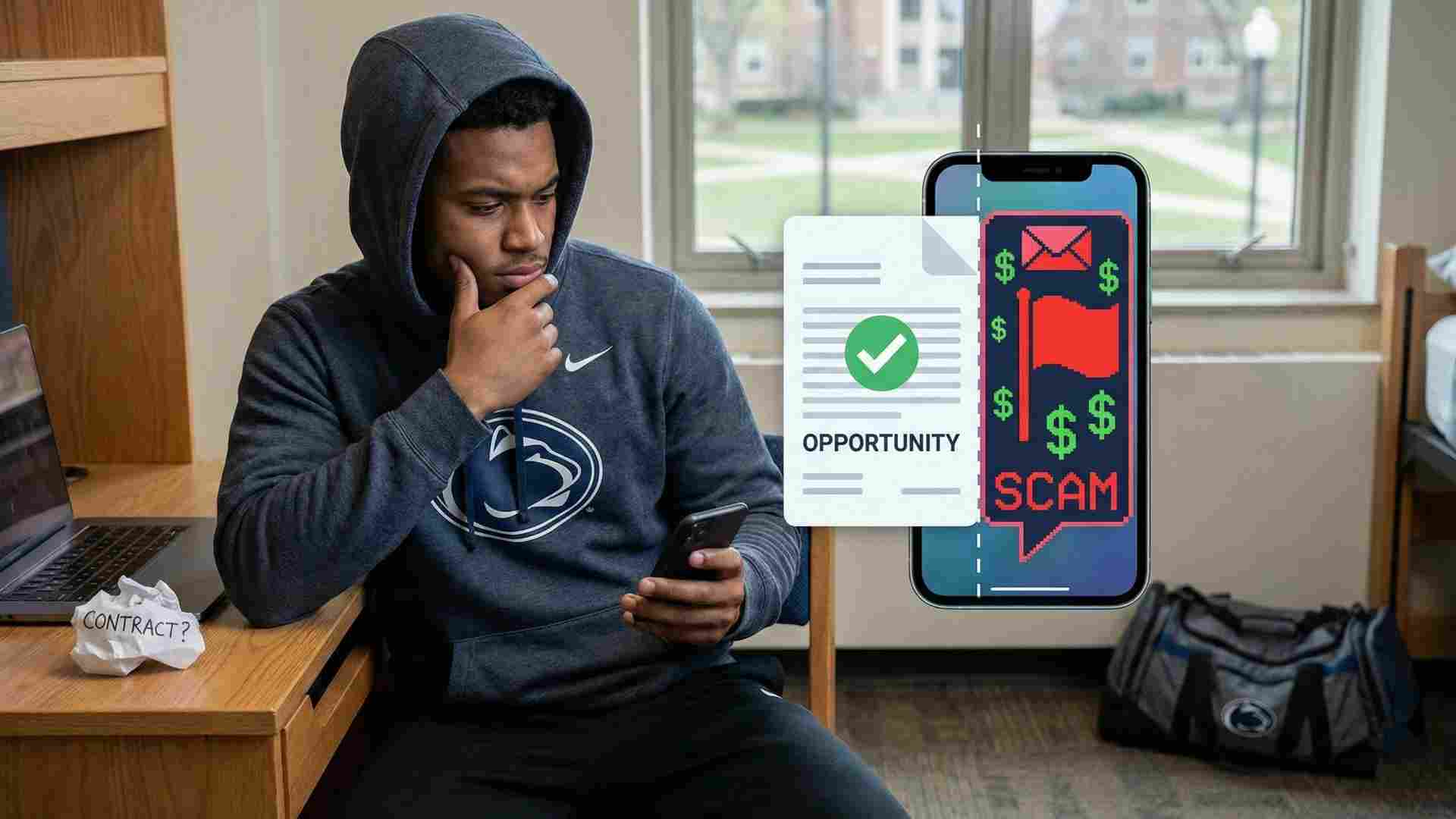
The excitement of a first brand deal can easily overshadow the fine print, and this is where predatory practices often hide. Unscrupulous agents or brands may slip in clauses that take advantage of a student-athlete’s inexperience.
Comprehensive NIL education teaches athletes to spot common contract “catches,” such as:
- Exclusivity Clauses: A contract might prevent you from working with any other brand in a similar category. If you sign an exclusive apparel deal, you might be barred from wearing your university’s sponsored gear, creating a direct conflict with your team.
- Rights in Perpetuity: Some contracts attempt to claim the rights to an athlete’s image “in perpetuity,” meaning the brand can use your face forever without paying you another dime.
- Morality Clauses: Brands often include vague termination rights if an athlete’s behavior “reflects poorly” on the company. Without legal scrutiny, this can be used to void contracts for minor misunderstandings.
A signature is not just a formality; it is a binding legal commitment that can outlast a college career. Knowing what to look for prevents athletes from signing away their future rights for a quick payout.
The Compliance Corner: Reporting and Eligibility
Compliance is the backbone of the NIL ecosystem. Most universities and state laws require athletes to disclose every deal they sign, often within a specific timeframe, such as seven to ten days. Failure to report a deal is one of the fastest ways to jeopardize eligibility.
Moreover, international students on F-1 visas face even stricter hurdles. Due to federal immigration laws, active income from NIL deals can be considered unauthorized employment, potentially leading to deportation. A robust NIL education program highlights these specific nuances, ensuring that international talent understands how to navigate passive income opportunities without violating visa status.
The Role of Professional Guidance and Tools
Navigating this complex web requires more than just intuition; it demands professional support and the right tools. Platforms like FanPact are becoming essential in this sector, offering resources that bridge the gap between complex legal requirements and athlete accessibility. By utilizing such platforms, athletes can better manage their engagements and ensure they are building a brand that is both profitable and compliant.
Legal counsel is also non-negotiable for high-value contracts. An attorney or a qualified agent can negotiate terms that protect the athlete’s long-term interests, ensuring that compensation aligns with fair market value and that the athlete retains ownership of their intellectual property.
Why Education is the Best Defense
Ultimately, knowledge is the greatest protector of an athlete’s future. Universities and collectives are increasingly prioritizing NIL education curriculums that cover financial literacy, tax obligations, and personal branding.
Taxes, for example, are often an afterthought for students receiving free gear or cash payments. However, the IRS views NIL earnings as taxable income. A student who spends all their earnings without setting aside a portion for taxes could face a massive bill and penalties come April.
Integrating resources from trusted industry names like FanPact into an athlete’s routine can simplify this learning curve. Whether it is tracking deals or understanding market value, having a dedicated system helps transform a chaotic process into a manageable business strategy.
Also read: Building an Authentic Brand: Beyond the Social Media Post
Conclusion
The freedom to monetize one’s Name, Image, and Likeness is a victory for student-athlete rights, but it must be handled with care. The stakes are high, and the rules are ever-shifting. Prioritizing NIL education is not just about maximizing revenue; it is about preserving the dream of competing at the collegiate level. By understanding the regulations, scrutinizing contracts, and utilizing compliance resources, athletes can secure their financial future without sacrificing their time on the field.
Frequently Asked Questions (FAQs)
1. Can international student-athletes earn NIL money without losing their visa status?
Generally, active income is prohibited for F-1 visa holders, but passive NIL income may be permissible with strict legal guidance.
2. What happens if an athlete fails to disclose an NIL deal to their university?
Failure to disclose deals can result in immediate loss of NCAA eligibility and potential disciplinary action from the university.
3. Are high school athletes allowed to sign NIL deals before college?
It depends entirely on the state regulations where the high school is located, as rules vary significantly across the US.
4. Do student-athletes have to pay taxes on NIL income?
Yes, all NIL compensation, including cash and the fair market value of free products, is considered taxable income by the IRS.
5. Can a university prevent an athlete from signing a specific NIL deal?
Yes, schools can prohibit deals that conflict with institutional values (e.g., gambling, alcohol) or existing exclusive university sponsorship agreements.