The shift in collegiate sports has opened incredible doors for players to monetize their personal brands. However, the rapid growth of Name, Image, and Likeness (NIL) opportunities has also created a playground for bad actors looking to exploit young talent through NIL scams. While most brands are looking for legitimate partnerships, student-athletes must learn how to distinguish a life-changing deal from a fraudulent trap that could jeopardize their financial future and athletic eligibility.
Identifying the Red Flags of NIL Fraud
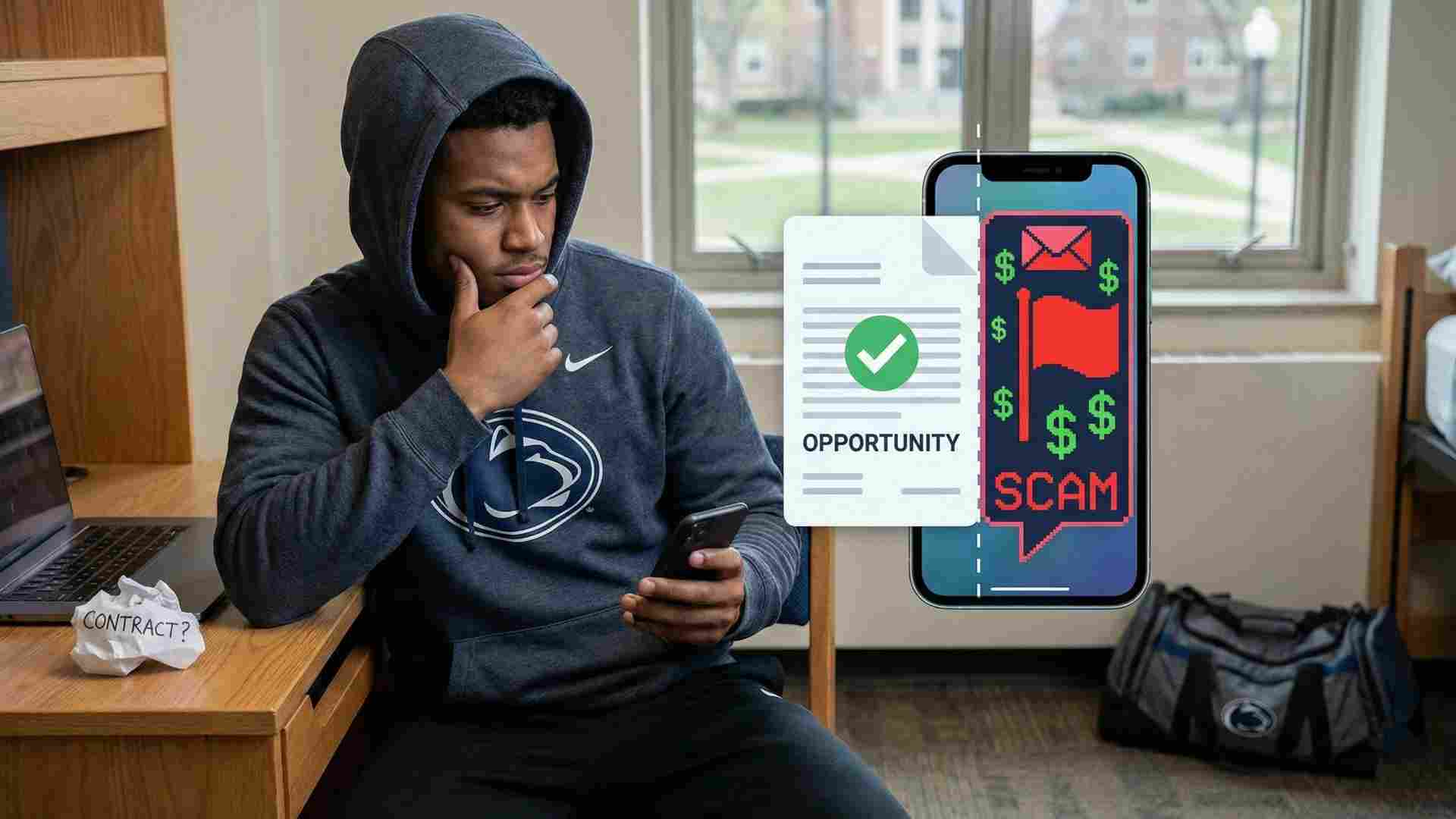
Protecting yourself begins with recognizing the warning signs of a predatory offer. Scammers often leverage the excitement of a potential deal to cloud an athlete’s judgment. One of the most common red flags is the request for an upfront fee. Legitimate brands pay you for your influence; they do not ask you to pay them for “onboarding,” “insurance,” or “administrative costs.” If a company asks for money before they send you a contract or a check, it is almost certainly a scam.
Another major warning sign is high-pressure tactics. Fraudulent agents or “brand reps” often insist that you sign a document immediately or lose the opportunity. They may use non-disclosure agreements (NDAs) to prevent you from showing the deal to your parents, coaches, or compliance officers. Authentic partners understand the need for due diligence and will respect your right to seek legal counsel.
Common Tactics Used to Target Athletes
Scammers have become sophisticated in how they approach players. You might receive a professional-looking DM or email from a brand that appears legitimate but is actually a phishing attempt. These messages often contain links designed to steal your banking information or social media login credentials.
Beyond identity theft, some “opportunities” are simply exploitative contracts. These agreements may include “hidden clauses” that claim ownership of your intellectual property forever or demand a massive percentage of all your future earnings. Navigating these waters requires a level head and a reliable support system. Using platforms like FanPact can help athletes stay informed about how to manage their brand presence safely.
How to Vet Potential NIL Partners
Before replying to an offer, perform a deep dive into the company. Does the brand have a verified social media presence? Is there a physical office address and a professional website? Look for reviews from other athletes who have worked with them. If a brand has no digital footprint or a history of complaints, walk away.
Documentation is your best defense. Never perform work based on a verbal agreement or a text message exchange. A formal contract should clearly outline the deliverables, the compensation, the duration of the agreement, and termination clauses. Transparency is the hallmark of a legitimate partnership. Platforms like FanPact empower athletes by providing a structured environment where they can learn to navigate the business side of sports with confidence.
Protecting Your Eligibility and Future
The consequences of falling for a scam or signing a “bad” deal extend beyond lost money. Violating NCAA or state-specific NIL regulations even unintentionally can lead to a loss of eligibility. Many scams involve products that are banned by athletic associations, such as gambling, tobacco, or performance-enhancing supplements. Signing a deal with a brand in a “prohibited category” can end your collegiate career instantly.
Always report potential NIL scams to your university’s compliance department. They are there to protect you and ensure that every deal you sign aligns with current regulations. By staying vigilant and prioritizing long-term security over short-term “too-good-to-be-true” offers, you can build a sustainable brand that lasts well beyond your college years.
Also read: Building an Authentic Brand: Beyond the Social Media Post
Conclusion
The NIL era is full of potential, but it requires a business-first mindset. Treat every DM and email with a healthy dose of skepticism until you have verified the source. By demanding formal contracts, avoiding upfront costs, and seeking professional guidance, you can ensure that your NIL journey is defined by genuine opportunities rather than costly mistakes. Your name, image, and likeness are valuable and make sure you are the one who benefits from them.
Frequently Asked Questions (FAQs)
1. What is the most common sign of an NIL scams?
The most frequent red flag is a brand asking an athlete to pay an upfront fee or “processing cost” to secure a deal.
2. Can an NIL scams affect my college sports eligibility?
Yes, if a fraudulent deal involves prohibited products or violates NCAA rules, you could lose your eligibility to play.
3. Should I sign an NIL contract that has a non-disclosure clause?
You should be wary of any clause that prevents you from showing a contract to your lawyer or university compliance officer.
4. How can I verify if a brand reaching out to me is legitimate?
Research their website, check for verified social media accounts, and ask your compliance office if they have worked with other athletes.
5. What should I do if I think I’ve been targeted by a scammer?
Immediately cease communication, do not click any links, and report the incident to your school’s NIL or compliance department.