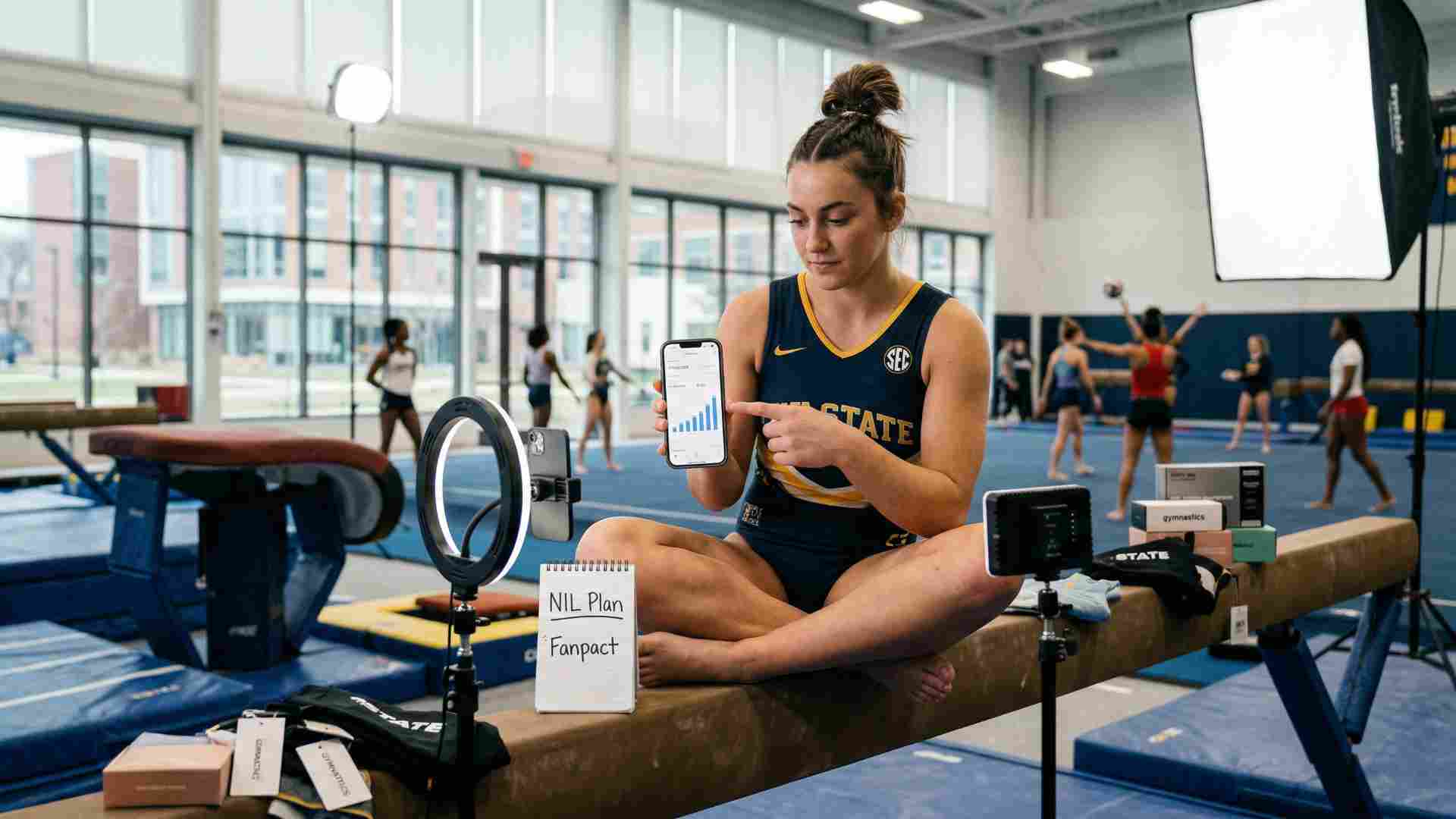
The rules of the game have changed forever. With the dawn of the Name, Image, and Likeness (NIL) era, college athletes are no longer just students on scholarship; they are budding entrepreneurs with the potential to earn significant income. However, this sudden influx of wealth brings a challenge many young stars are unprepared for: NIL financial literacy. Without the right knowledge, the dream of financial freedom can quickly turn into a nightmare of mismanagement and debt.
For student-athletes, the transition from the locker room to the boardroom requires more than athletic talent. It demands a fundamental shift in mindset. Understanding NIL financial literacy is the first step in protecting your earnings and ensuring that the money you make today serves you for the rest of your life. Whether you are signing a deal for free gear or a multi-million dollar contract, the principles of smart money management remain the same.
The Shift: From Student-Athlete to CEO
In this new landscape, you are the CEO of your own brand. This means you must treat your NIL earnings not as “spending money” but as business revenue. A CEO doesn’t just spend profits; they allocate resources, plan for taxes, and invest for growth. Developing strong NIL financial literacy empowers you to make decisions that align with your long-term goals rather than falling prey to the temptation of instant gratification.
Many athletes fall into the trap of thinking their earning window will last forever. The reality is that an athletic career is often short. By adopting a business mindset early, you can leverage your current popularity to build a financial fortress that stands tall long after the cheering stops.
Budgeting: The Playbook for Wealth
Every great team needs a game plan, and your finances are no different. A budget is simply a playbook for your money. It tells your dollars where to go instead of you wondering where they went. Effective NIL financial literacy starts with separating your “needs” (rent, food, training) from your “wants” (luxury cars, designer clothes).
A popular rule of thumb is the 50/30/20 rule: 50% of income for necessities, 30% for wants, and 20% for savings. However, for high-earning athletes, saving 40% or even 50% can accelerate the path to financial independence. Tracking expenses ensures you aren’t burning through cash flow faster than you can generate it.
The Silent Partner: Tax Planning
One of the most dangerous blind spots in NIL financial literacy is taxation. Unlike a scholarship or a W-2 job, most NIL income is paid without taxes withheld. This means you are responsible for paying federal and state income taxes yourself.
If you spend all your earnings without setting aside money for the IRS, you could face a massive tax bill in April that you cannot afford. A good rule is to set aside at least 30% of every paycheck into a separate savings account labeled for taxes. Ignoring this step is a rookie mistake that can lead to serious legal trouble.
Investing and Building Your Team
True wealth isn’t built by what you earn; it’s built by what you invest. NIL financial literacy includes understanding the power of compound interest. By investing early in diversified assets, your money can grow exponentially over time.
You also need the right support system. Platforms like FanPact are designing solutions to help athletes understand their brand value and manage opportunities effectively. With fiduciary advisors and CPAs, athletes can make data-driven decisions rather than relying on guesswork.
Also read: How NIL College Prepares Athletes for Life After Sport
Conclusion
The NIL era offers an unprecedented opportunity for student-athletes to secure their financial futures. But opportunity without preparation is a recipe for failure. By prioritizing NIL financial literacy, budgeting wisely, and planning for taxes, you can transform from a student-athlete into a successful CEO.
Resources like FanPact and a trusted financial team are essential, but the drive to learn must come from you. Your athletic career is the launchpad; your financial education is the rocket fuel. Take control today and ensure your legacy lasts far beyond the final whistle.
FAQs
1. Why is NIL financial literacy important for college athletes?
It prevents athletes from mismanaging their new income, ensuring they avoid debt and build long-term wealth.
2. Do I have to pay taxes on NIL money?
Yes, NIL earnings are taxable income, and you must set aside money to pay the IRS yourself.
3. What is the difference between a fiduciary advisor and a standard advisor?
A fiduciary is legally required to act in your best interest, whereas standard advisors may prioritize their own commissions.
4. How much of my NIL income should I save for taxes?
You should aim to save roughly 30% to 40% of every payment to cover federal and state tax obligations.
5. How can FanPact help student-athletes?
FanPact provides tools to help athletes value their brand and manage NIL opportunities efficiently.